Provincial Nuances Determining Free Reel Access Patterns in Canada's Digital Gambling Landscape
Written by Uma Lorenz · Aug 18, 2026
Provincial Nuances Determining Free Reel Access Patterns in Canada's Digital Gambling Landscape
Canada's digital gambling environment operates through a patchwork of provincial rules that shape how players gain access to free reels across online platforms, and these variations create distinct patterns in availability and participation rates. Each province maintains its own regulatory framework under the broader federal Criminal Code, which means operators must navigate different licensing requirements and player protections when offering no-cost reel spins or demo modes.
Regulatory Frameworks Across Key Provinces
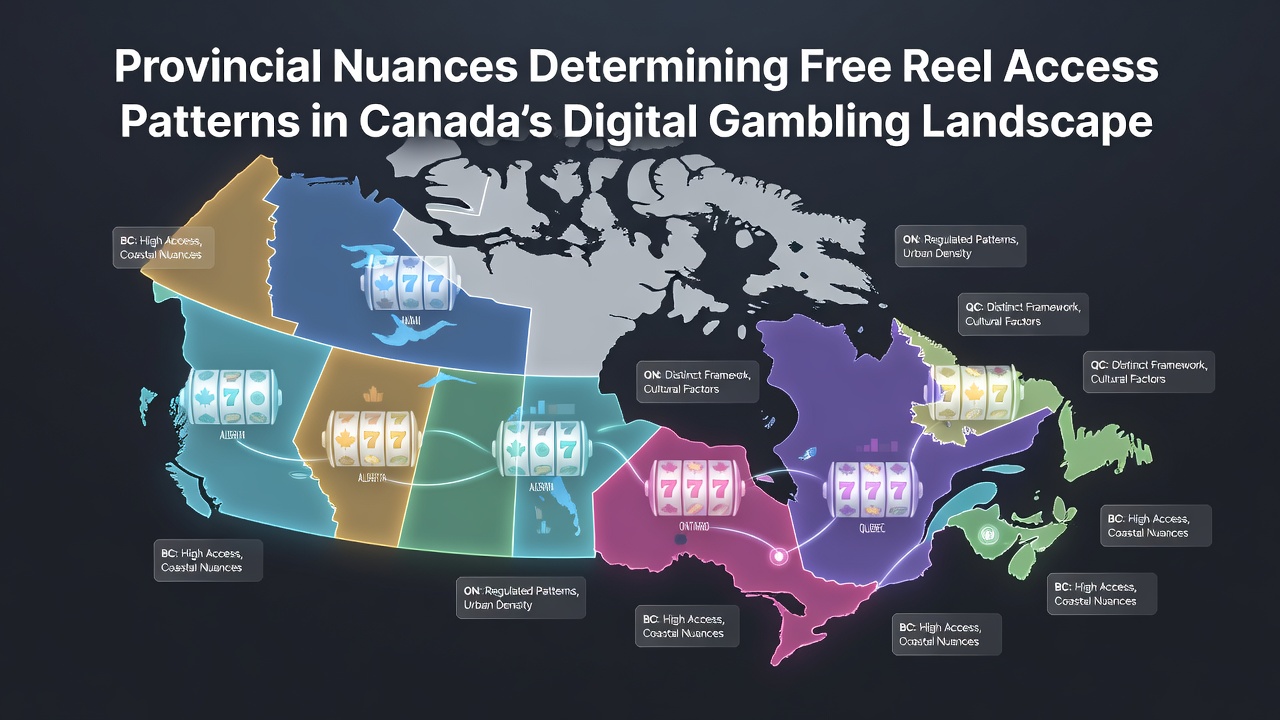
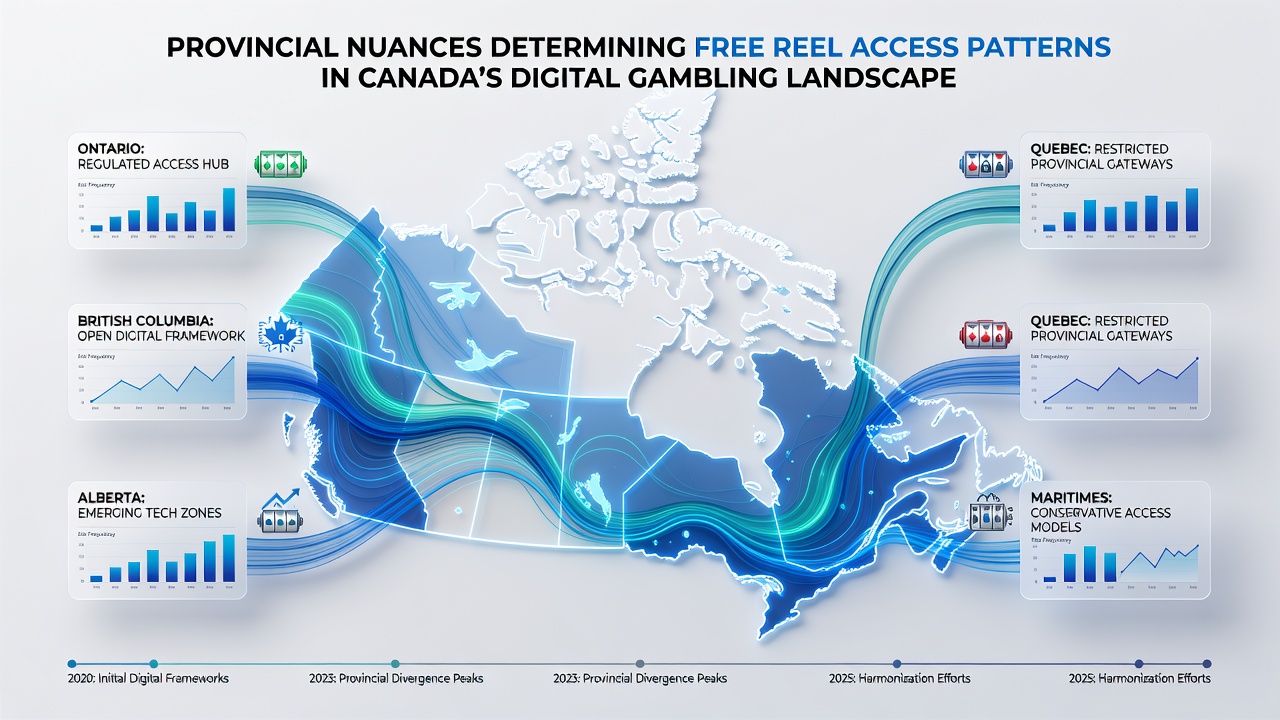
Ontario established its own iGaming market through the Alcohol and Gaming Commission of Ontario in 2022, and this structure allows licensed sites to provide free reel access under standardized player verification protocols that differ from other regions. Data from provincial reports shows that Ontario accounts for a significant share of national online activity because the regulated environment supports clearer pathways for operators to deliver promotional spins without additional barriers.
Quebec follows a more centralized model managed by Loto-Québec, where free reel features remain tied to approved platforms and require explicit age verification steps before users can engage with demo content. Researchers tracking access patterns have documented that these controls result in lower but more consistent usage rates compared to provinces with multiple competing operators.
British Columbia and Alberta maintain separate systems through their respective lottery corporations, and observers note that both provinces permit free reel access primarily through government-affiliated sites rather than a wide array of private operators. This approach produces more limited promotional options yet maintains tighter oversight on how spins are distributed to residents.
Access Patterns and Data Trends
Statistics reveal that free reel availability fluctuates with each province's stance on foreign operators, and figures released in early 2026 indicated steady growth in provinces that updated their licensing processes during the previous year. August 2026 brought additional clarity when several provinces aligned their verification standards with federal digital identity initiatives, which streamlined entry for players seeking no-deposit reel trials.
Studies from Canadian academic institutions have examined how these provincial differences influence participation, and one analysis found that residents in regulated markets encountered fewer geographic blocks when accessing free content from licensed domains. Meanwhile, users in provinces without dedicated iGaming frameworks often rely on offshore platforms that apply their own eligibility rules for promotional reels.
Industry reports from the Canadian Gaming Association highlight that operator compliance costs vary widely by jurisdiction, and these costs directly affect the volume of free reel promotions each site can sustain. Provinces with streamlined approval processes tend to see higher numbers of active promotions, whereas stricter environments produce fewer but more carefully vetted offers.
Technological and Compliance Factors
Operators integrate geo-location tools and provincial licensing checks to determine which users qualify for free reels, and this technical layer creates noticeable differences in user experience depending on the player's registered province. Research indicates that platforms serving multiple provinces often segment their promotional libraries accordingly, offering distinct reel sets based on local regulations.
Those who have reviewed compliance documentation note that audit requirements also differ, with some provinces demanding regular reporting on free reel distribution while others focus primarily on financial transactions. This variation influences how quickly operators can roll out new promotional campaigns across regions.
External comparisons appear in reports from the Statistics Canada digital economy division, which tracks broader online activity patterns that intersect with gambling access. A separate academic review from the University of Toronto's gaming policy research group provides additional context on how provincial rules interact with national trends in player engagement.
Conclusion
Provincial nuances continue to define the boundaries of free reel access in Canada's digital gambling space, and the resulting patterns reflect a balance between regulatory control and market availability. Observers tracking developments through 2026 see ongoing adjustments as provinces refine their approaches to online platforms and promotional features. These differences ensure that access remains tied to local rules rather than a uniform national standard, which shapes how operators and players interact with free reel options across the country.